
Arapahoe County Arrest Log Sources
Start with the sheriff. The Sheriff's official page connects the detention center, the inmate lookup, records, alerts, and news in one place. It offers no chronological export of bookings. ACSO publishes no 72-hour, seven-day, or weekly arrest blotter either. What ACSO does post are news releases that Public Affairs chooses for their public value. They cannot stand in for the jail's full history. Multi-day streams are agency-specific instead. Aurora Police News posts dated, selective releases and offers an RSS feed. Littleton Police News & Media shares selected items, sometimes with a police image. Neither outlet covers every arrest in its own city. Coverage of all of Arapahoe County is even thinner. Keep the agency and place attached to each entry you copy.
Read Arapahoe Arrest Reports Correctly
Work backward from the correct agency. Treat no page as one merged feed. A date on a news story is the publication date unless the text names the arrest date. The booking date can differ again, so keep those labels straight and an older arrest will never pass as new.
- Identify the arresting agency and the city or unincorporated area tied to the event.
- Check that agency's official news page for dated releases, recognizing that selection is editorial.
- Use the ACSO current inmate lookup only if county detention is the likely custody destination.
- Compare names, dates, agencies, and case identifiers before treating two entries as the same event.
- Use ACSO Records or the city police records unit for material outside the visible news window.
- Consult the proper court for filed charges and disposition.
A fresh custody question takes a different path. The 24 Hour Arrests page handles same-day checks. This log inquiry asks something else. It looks at what was published across several dates, what stays archived, and which agency owns the underlying report.
Arapahoe Arrest Entry Fields
No countywide log schema exists. An Aurora or Littleton release reports only the facts chosen for a public-safety story. The county custody search leans on inmate, charge, and bond details. CrimeWatch adds its own tabs and agency labels. Capture only fields the source actually supplies.
| Field | Meaning and limit |
|---|---|
| Person and identifier | A name and case, booking, or custody number when published; verify similar names. |
| Event, arrest, and post dates | Separate dates that should not be collapsed into one timestamp. |
| Publishing agency | The office that posted the item, which may differ from the jail custodian. |
| Charges | Charges reported at booking or in a release, subject to later court change. |
| Custody or bond | A point-in-time status, not a forecast of release or case outcome. |
| Image | May be absent, police-provided, or a scene photo; no complete photo feed is promised. |
Each entry needs a source label. Each date needs checking too. A release that cites an affidavit or court filing is still not the court record itself. The Colorado Judicial Branch is the official route for state court matters, while municipal cases may run through a city court.
Arapahoe Weekend Posting Gaps
Weekends look quiet for the wrong reasons. Weekend posts follow no schedule. ACSO posts no Monday roundup and refreshes nothing at a set weekend hour. APD and LPD releases are event-driven. Several dated stories can land close together. Long gaps can happen too. That bunching reflects publication choices, so call it an arrest surge only with data, and expect the same lumpiness around holidays. Keep the event, arrest, booking, and release dates separate, because a Friday arrest can surface in a later release after the person has already left custody, which leaves the roster too thin to rebuild a weekend. For a named booking, the Arapahoe County recent arrest hub explains the official record and court paths. The ACSO main page is the official starting point for news and custody checks.
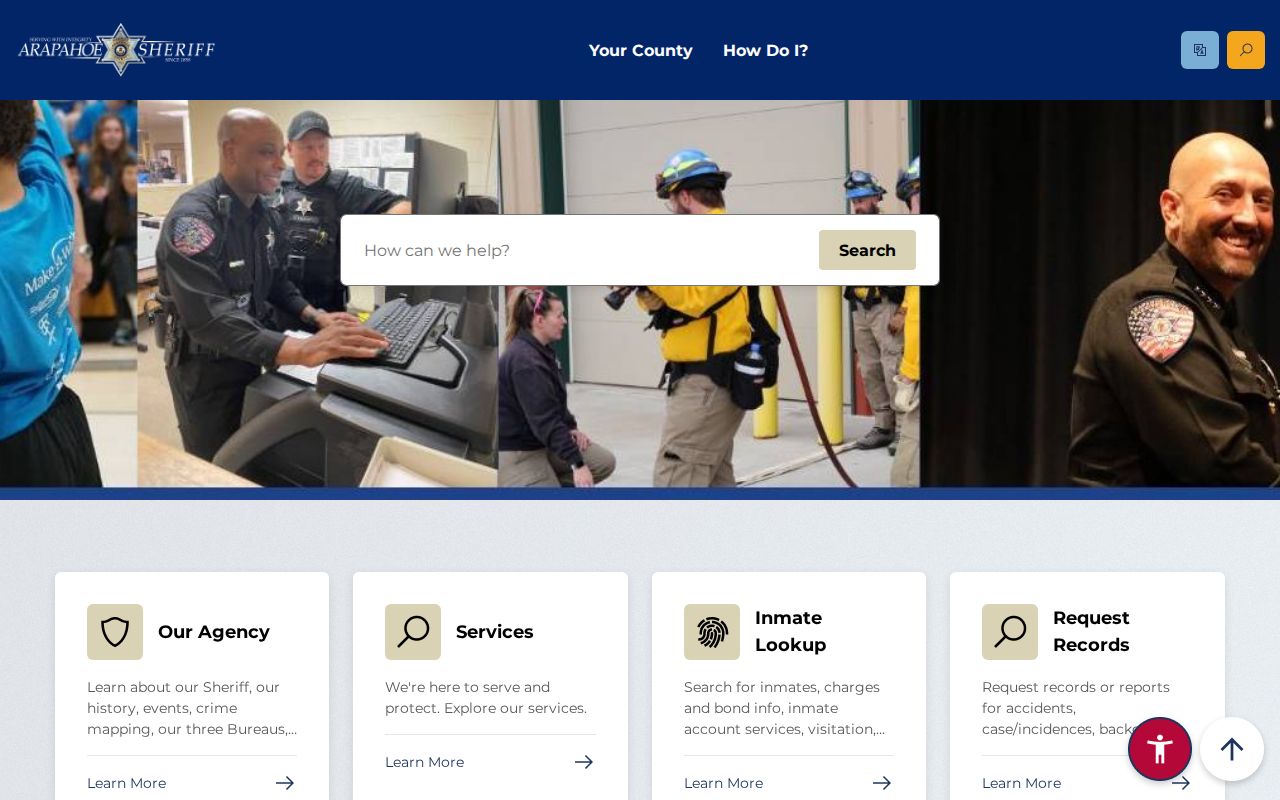
The county posts no countywide weekend arrest list. Its booking roster does not span multiple days. Saturday and Sunday arrests go unlisted. Weekend coverage is not offered.
Arapahoe Arrest Archives Beyond News
Old arrests do not vanish cleanly. ACSO publishes no county arrest log and states no window for how long roster rows stay online. A news release can outlive a custody row. For older material, ask the ACSO Records Unit whether it still holds the booking record, the commitment or discharge record, the photo, or the incident file under its approved schedule. Records can be redacted, sealed, restricted, or withheld. The statewide sheriff retention model is useful vocabulary only. It does not prove ACSO adopted every sample period. The model describes a permanent daily commitment and discharge series plus different sample periods for other inmate records. Ask before assuming. Confirm the locally approved rule before claiming a particular Arapahoe record still exists. Colorado State Archives comes later. Use it only when a transfer or historical collection is confirmed. Its advanced search accepts terms like Arapahoe County, sheriff, jail, arrest, commitment, and a date range. Date ranges narrow the results fast. Note: Retention controls agency custody of a record; it does not promise that the record stays visible in an online roster or news archive.
Aurora and Littleton Arrest News
Aurora's strongest official stream is APD News. It is dated and offers RSS, yet it picks cases for news value. Littleton's counterpart is LPD News & Media. It sometimes includes a booking image. Reconcile each release with the custody facility and the court. Aurora runs its own detention pathway. The APD News source shows the dated release structure, and remember that Littleton crosses county lines.
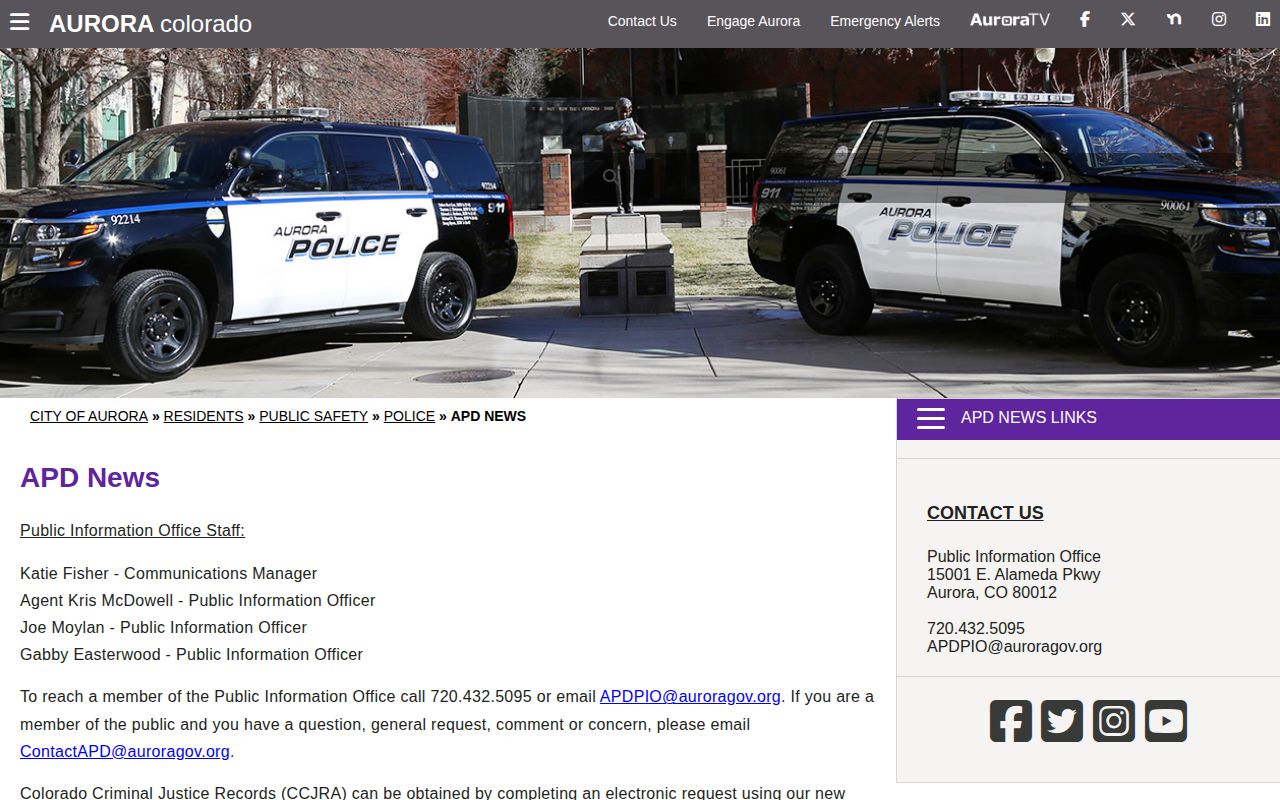
Aurora publishes arrest news selectively. The agency stream is not a complete county roster. Some arrests make the news feed. Many county bookings never appear there.
Arapahoe Blotter Sources With Caveats
Official sources show who is in custody. Local news adds the story behind an arrest. Sentinel Colorado covers greater Aurora, while the Denver Gazette and CBS Colorado report selected metro cases. That reporting leans on police statements, affidavits, court papers, and interviews. None of it is a booking log. Check any story against official records before treating it as settled fact.
CrimeWatch Arapahoe sits in a different lane, a civic platform with tabs for incidents, cases, warrants, arrests, news, and broadcasts. Cherry Hills Village activity fills most of it. No complete ACSO feed appears there.
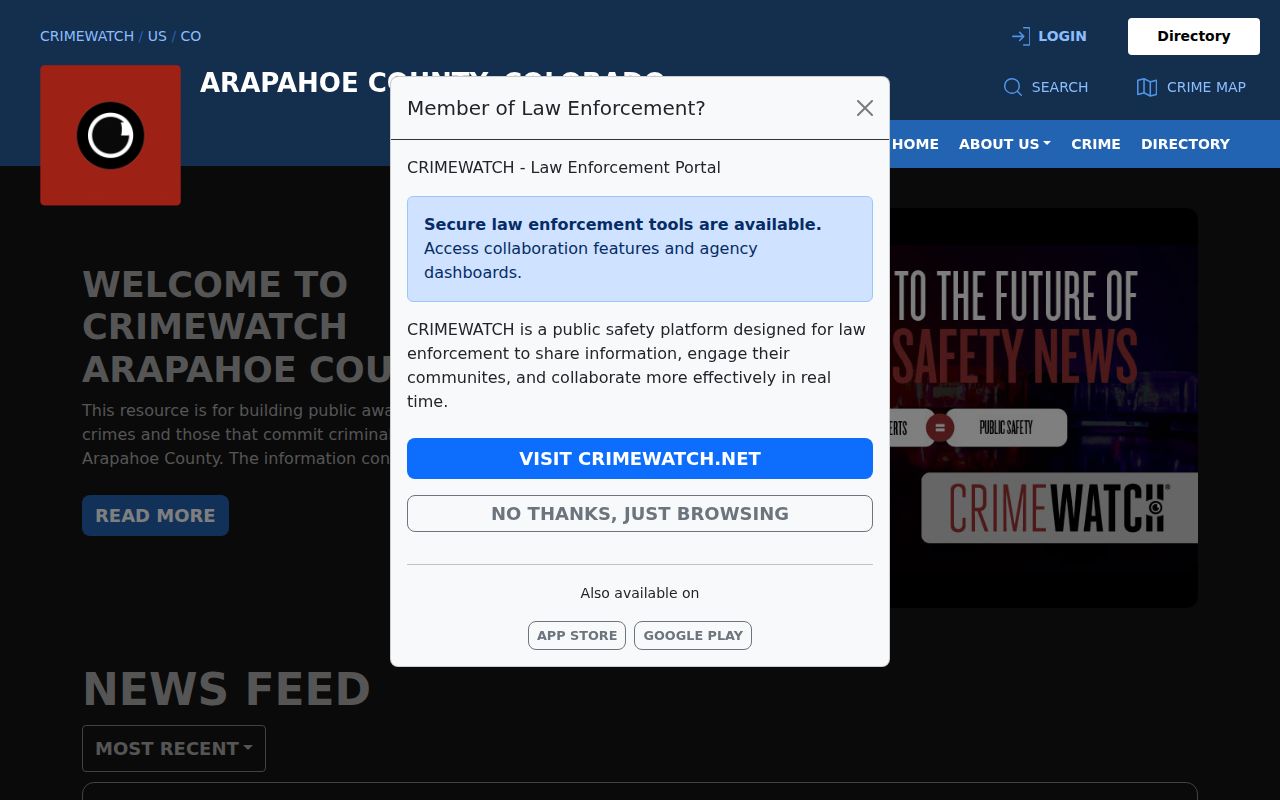
Labels matter with a secondary source. Anything taken from CrimeWatch should carry its agency name. The covered dates belong beside it too. That context keeps each entry honest.
Arapahoe Arrest Totals Are Not Logs
Annual reports answer a different question. A blotter asks who was arrested last night. ACSO's 2022 report counted county detention bookings, releases, average population, and length of stay. Littleton's 2024 report offers police-department arrest totals and categories instead. Different agencies, years, and definitions. Merging them would blur police enforcement events with jail intake.
Treat the totals as dated trend context only. They cannot tell you who was arrested on a given weekend or prove anyone's current custody status. A shift may reflect enforcement, policy, population, or counting rules. Keep the source's own definition beside every figure.
Request an Older Arapahoe Arrest Record
Older arrests need a different route. Send your request to the office that holds the record. ACSO Records keeps booking photos, in-custody reports, and case, citation, or incident reports. Aurora Police and Littleton Police run their own records routes for agency files. Include the person's name, a date range, the agency, and any case or booking number. Add the exact record you want.
The ACSO Records Unit sits at 13101 East Broncos Parkway, Centennial, CO 80112. Its published phone is 720-874-3875. Walk-in hours run Monday through Friday, 7:00 a.m. to 5:00 p.m., except county holidays. An online portal takes both requests and status checks. Ask the custodian to explain any redaction or denial.
Records staff cannot give you the court's final word. For that, turn to the Colorado Judicial Branch or the right municipal court. Sealed, juvenile, victim, and active investigative material may carry public-access limits.